Payment trends that will shape 2026: AI, digital euro and instant payments
New technologies continue to evolve at a relentless pace, and Europe faces a new challenge in the payments ecosystem. The exponential growth of artificial intelligence, the arrival of the digital euro and the rising popularity of instant payments are paving the way for a scenario where digital payment methods will become smarter, more automated and more global.
As consumers demand faster and simpler processes, merchants seek to optimise conversion and reduce operational costs. Technology positions itself as the central axis of this evolution, and at PaynoPain we have identified the trends that will shape the immediate future of the payments ecosystem:
Artificial intelligence applied to payments
How AI affects ecommerce
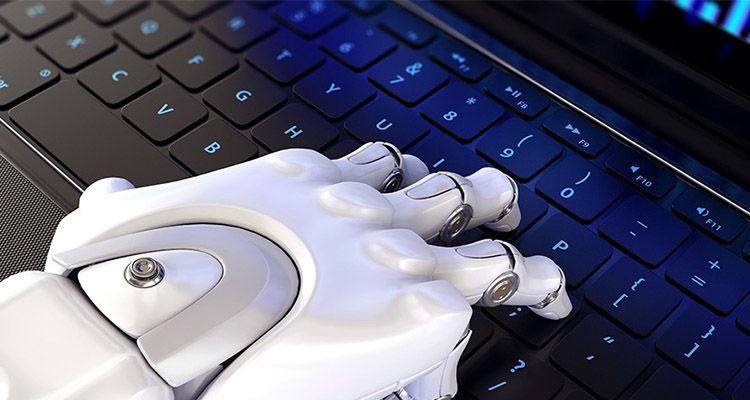
AI will transform the payment experience through systems capable of detecting fraud in real time, predicting purchasing patterns and optimising conversions. Its impact will be direct on the involved stakeholders:
- Merchants: more efficient and personalised processes, cost reduction and higher conversion rates.
- Users: faster, more convenient and more secure payments.
This progress is especially relevant considering that, according to our 2025 survey “Payment methods: the final decision”, 44% of users would abandon a purchase if the process takes more than five minutes. This reinforces the importance of having an agile and intuitive online payment platform.
Agentic commerce: AI-optimised shopping
In 2026, AI autonomous agents will begin to make purchases in ecommerce stores, replacing the users themselves.
How agentic commerce will work in ecommerce
- Analysis of consumer needs.
- Comparison of products and selection of the best option.
- Execution of the purchase independently.
Its implementation will significantly reduce friction in the purchasing process and save time for consumers, providing the merchant’s virtual POS with great efficiency.
Instant payments in Europe
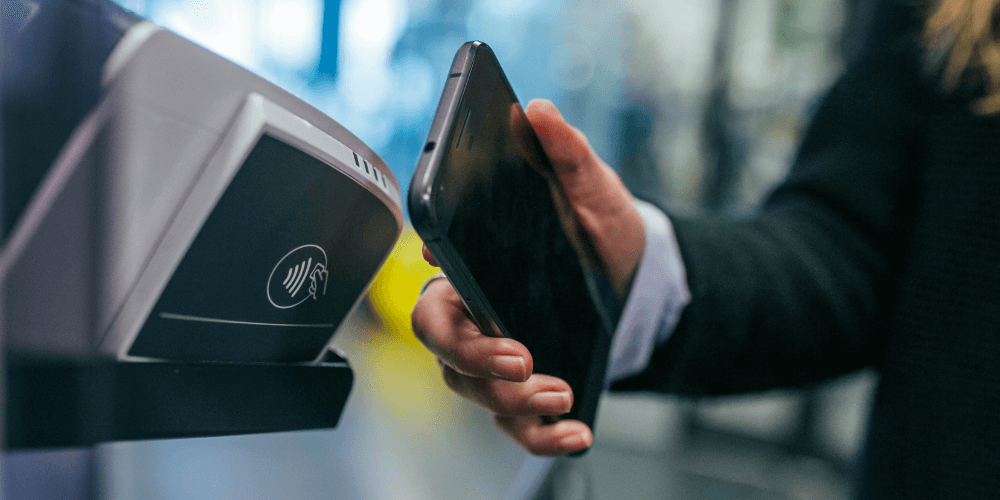
By 2026, the expansion of interoperability of instant payments in Europe will be one of the global objectives. Spain (Bizum), Portugal (MB WAY) and Italy (Bancomat Pay) are already integrated, enabling users in any of these countries to make fast and secure transfers between them using their usual apps, as if they were domestic payments.
This ability for different applications to work together seamlessly offers merchants immediate settlements, fewer operational frictions and greater efficiency. As more countries join this pan-European ecosystem, instant payments will become a European standard, offering secure, fast and simple transactions.
Progress of the digital euro
The digital euro will continue evolving through new pilots and regulatory developments. Although its full deployment will still take time, the initiative will make significant progress in compatibility, security and usability. The public debate—mostly focused on privacy—is driving greater interest in decentralised digital alternatives.
According to forecasts from the European Central Bank, the digital euro could begin issuance in 2029 if EU legislators adopt the regulation in 2026.
Rise of stablecoins and cryptocurrencies
Stablecoins are a type of cryptocurrency designed to minimise volatility. These tools will continue gaining traction in 2026, driven by the digital euro and the rising demand for fast and global payments.
Their ease of use, speed and lower operational costs are attracting both consumers and merchants. Furthermore, younger generations will remain the main drivers of cryptocurrency adoption.
Are you looking for agile payment methods for your business?
Boost your business with PaynoPain’s virtual POS
2026 will be an important year for digital payments: artificial intelligence, the digital euro and the rise of instant mobile payments will once again define how users purchase and how merchants operate.
To keep your business competitive, you need to integrate payment methods prepared for this new landscape, and at PaynoPain we will help you take the next step. Contact us and prepare your business for 2026.


At PaynoPain, we collaborate with companies that share our vision of innovation, quality, and technological excellence. If you offer complementary solutions or want to distribute our products, together we can go further. We offer you support, training, and real opportunities for joint growth, with global impact.